When navigating menopause there is one question that you should think about to support your health and wellbeing as your body tries to find more hormonal balance…how can I reduce my daily exposure to chemicals like Bisphenol A (BPA) and microplastics? This article will help you understand the significance of chemicals on a changing body and why it’s important to take some personal action.
While complete avoidance of plastic exposure might be unrealistic in our modern world, you can significantly minimizing your contact with these endocrine-disrupting chemicals (EDCs) heading into menopause and beyond.
What is BPA and where is it found?
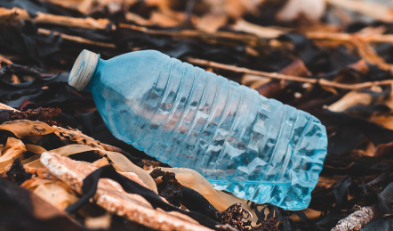
BPA (bisphenol A) is just one of many industrial chemicals used to create micro plastics. BPA is regularly found in:
- water bottles
- eyewear
- shatterproof windows
- the resin that coats some metal food cans
- bottle caps
- water supply pipes
- Polyester/nylon Clothing
- Food/food packaging
Why This Matters: The Link Between Chemicals and Your Menopausal Journey
You might wonder, why we should concern ourselves with chemical exposure during this phase of life? While the scientific community is continually researching the direct impact of specific chemicals on individual menopausal symptoms, what is clear is the profound effect endocrine disruptors have on our endocrine system, the very system responsible for balancing your hormone levels.
These environmental chemicals, termed endocrine disruptors, act as imposters, mimicking natural hormones, especially estrogen, and directly interfere with your body’s natural hormone receptors and how it processes hormones.
Your body is already working incredibly hard as it heads into menopause, trying to adjust to naturally declining hormone levels, striving to maintain vital support for your brain, bones, breasts, and overall vitality. If, through your lifetime, you’ve accumulated significant exposure to BPA and microplastics – chemicals known to disrupt your endocrine system – how can it not influence how smoothly you navigate your way through menopausal?
Even low-level chemical exposure has been shown to have biological effects on our bodies, potentially increasing vulnerability to chronic conditions like heart disease and even certain types of cancer, including breast cancer.
Understanding Your Exposure: Where Do These Disruptors Come From?
The reality is, chemicals and microplastics are incredibly widespread. They’re found in your food, chemicals in your clothing, the air you breathe, and countless products we interact with daily. The WWF estimates that the average human consumes about 5 grams of plastic every week. When you consider that accumulated over a lifetime, that’s a significant amount of plastic pollution your bodies contend with. A study by the CDC found BPA in the urine of 93% of 2,500 Americans aged six and older, highlighting just how common this exposure is.
5 ways to reduce your exposure to BPAs
- Shop locally – plastic free/bulk stores are popping up all around major cities and it may be a great way to shop. Take in your glass containers
- Avoid buying your food in prepackaged plastic or styrofoam containers – invest in a good stainless steel coffee mug and visit your local farmers markets for fresh ingredients to cook.
- Don’t drink out of plastic bottles/containers/styrofoam – this includes fruit/vegetable juices, water, pop, iced or hot coffee/tea
- Please don’t heat your food in the microwave using plastic containers – this includes prepacked foods! Use glass containers when possible.
- Try to reduce and eliminate household plastics & chemicals – including cleaning solutions, plastic wraps, air fresheners, furniture polish and wipes.
***Honorable mention includes products that you apply to your skin (cosmetics, lotions, shampoo, facial scrubs etc.). Check out www.ewg.org/skindeep for more help and information!
Taking Action: Empowering Yourself Through Informed Choices
While it might not be possible to completely eliminate BPA and microplastics from your day-to-day life, you absolutely can empower yourself through knowledge. It’s about being an informed consumer and making conscious choices. Seek out safer alternatives, look for non-toxic products, and explore ways to live a cleaner, healthier life.
If you’re new to the idea of reducing your toxic load, I recommend exploring the Environmental Working Group (EWG) website. They are a fantastic non-profit organization, a dedicated team of scientists, researchers, lawyers, and data experts, working hard to inform us about products that can significantly impact our daily health. Utilizing resources like the EWG can be incredibly helpful as you make informed decisions to support your hormonal health and overall well-being throughout and beyond menopause.
It’s about taking proactive steps towards a more vibrant you.
Need some help with your health?
Please share us with others!
Resources:
- https://www.niehs.nih.gov/health/topics/agents/endocrine/index.cfm
- https://www.genevaenvironmentnetwork.org/resources/updates/plastics-and-health/#
- https://www.niehs.nih.gov/health/topics/agents/endocrine/index.cfm
- https://www.niehs.nih.gov/health/topics/population/whealth/index.cfm
- https://www.ewg.org/skindeep/
- https://www.forbes.com/sites/ariannajohnson/2023/05/18/worrisome-bpa-levels-found-in-sportswear-by-nike-adidas-patagonia-and-more-group-alleges/amp/
- https://www.ewg.org/news-insights/news/5-ways-reduce-your-exposure-toxic-bpa
- https://www.niehs.nih.gov/health/topics/agents/sya-bpa/